
Spring Migration
Your month-by-month guide to spring migration
Each spring, Lake County becomes a key stopover for birds before they cross Lake Erie. This guide explores how weather and geography shape their journey, when spring migration peaks, and provides an overview of the timing of different waves of songbirds. Understanding spring migration will help make the most of spring migration in Lake County.
March
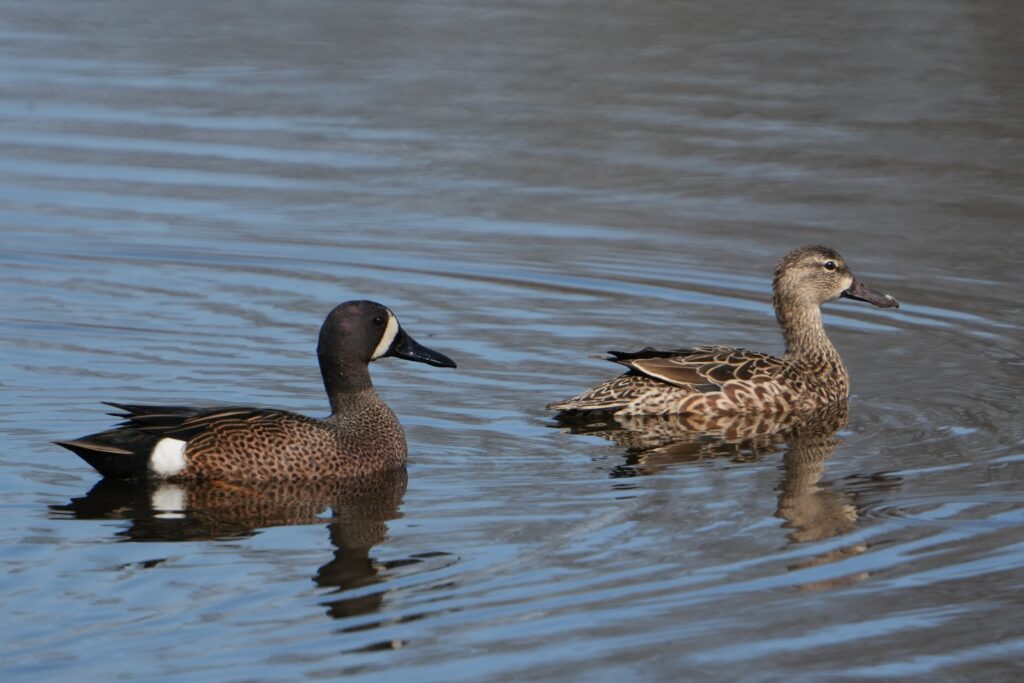
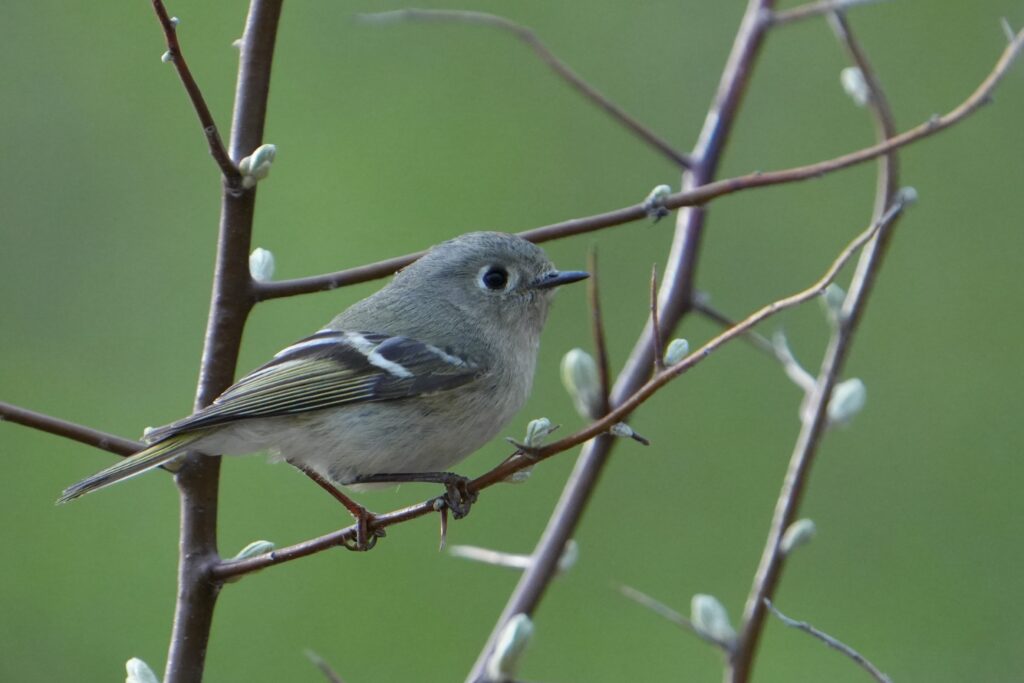
Throughout March, waterfowl migration is in full swing, peaking around mid-March. Sea ducks, like scaup, peak earlier than dabblers, which peak in mid-March. Later in the month, birds other than waterfowl appear, such as Pectoral Sandpipers, Tree Swallows, Eastern Phoebes, Fox Sparrows, Rusty Blackbirds, and Golden-crowned Kinglets.
April
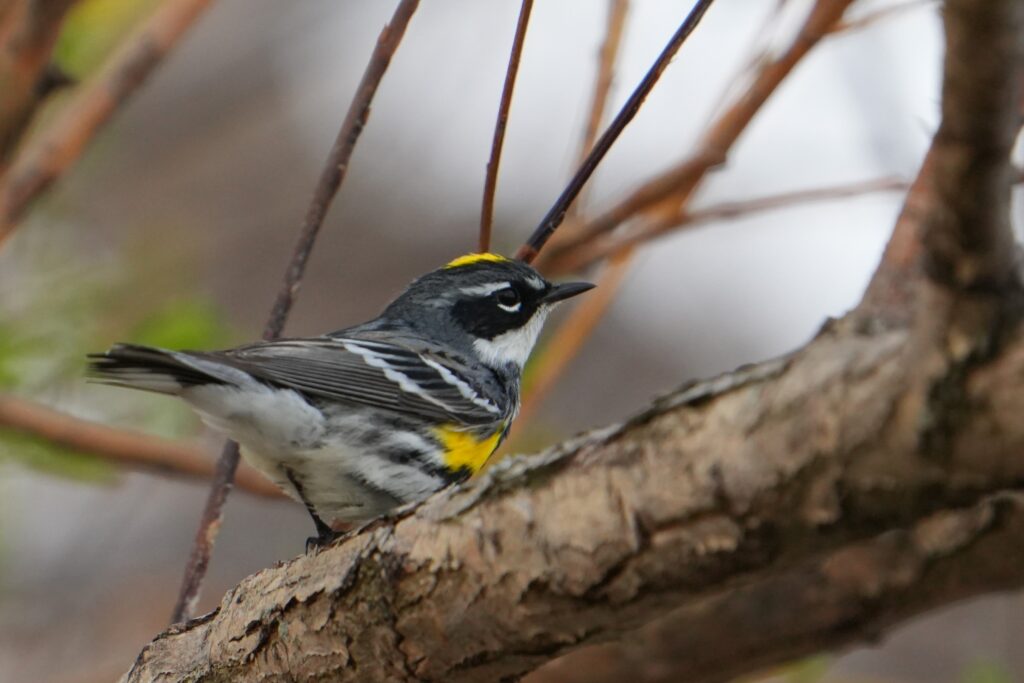
April 1 – 15: Waterfowl numbers decline gradually throughout early April. Shorebird migration begins to pick up, with earlier migrants such as yellowlegs and American Golden-Plover. Hermit Thrushes, Winter Wrens, Brown Creepers, Eastern Phoebes, Yellow-rumped Warblers, and Northern Flickers show up in full force, as well as Fox and Vesper Sparrows. Terns, mainly Caspian, begin to show up. Virginia Rail and Sora appear in local wetlands.
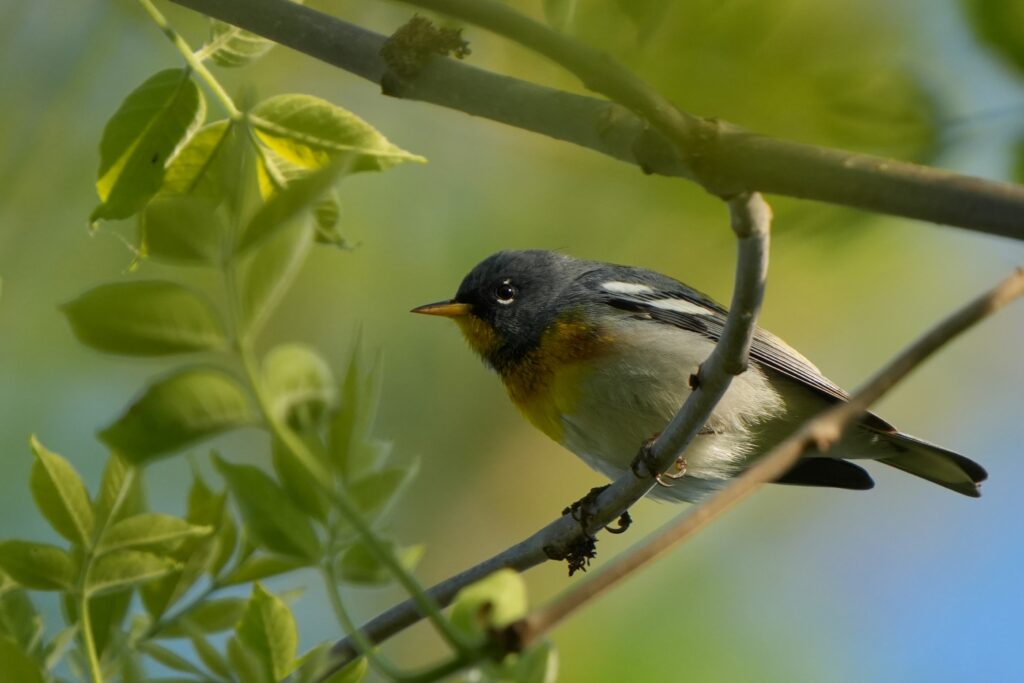
April 16 – 30: Many neotropical migrants start arriving, including orioles, vireos, and warblers such as Black-and-White, Palm, Nashville, and Black-throated Green. By the end of the month, nearly every regular warbler can be found. Ruby-crowned Kinglet, Blue-gray Gnatcatcher, Yellow-bellied Sapsucker, and sparrows arrive in full force. Rails, herons, and raptors, such as Broad-winged Hawk, peak in April. Shorebirds continue to increase in numbers.
May
May 1 – 10: Neotropical migrants, such as warblers and vireos, begin to arrive in full force, and under the right conditions, warbler diversity can increase from just a few species to every common species overnight. Early songbirds and waterfowl numbers decline significantly, and shorebird numbers increase.
May 11-20: Numbers of migrants are at their peak, with every common warbler and flycatcher species possible in the right habitat. Earlier warblers begin to decline, and later ones, such as Blackpoll and Bay-breasted, increase in number. Flycatchers and thrushes begin to arrive in large numbers, and cuckoos arrive. Shorebird numbers are nearing their peak.
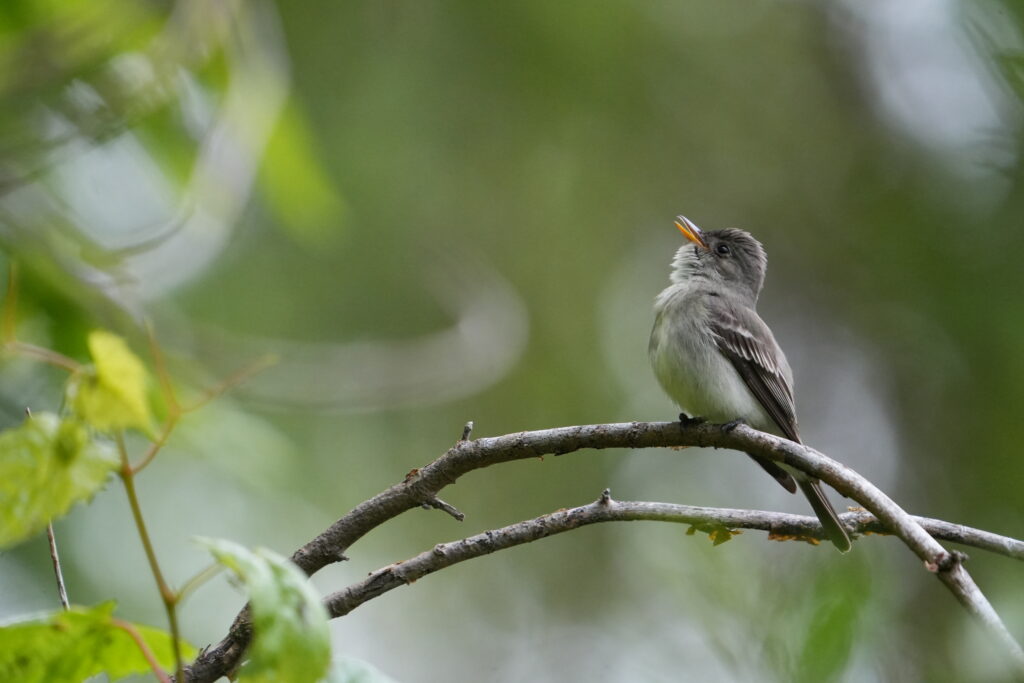
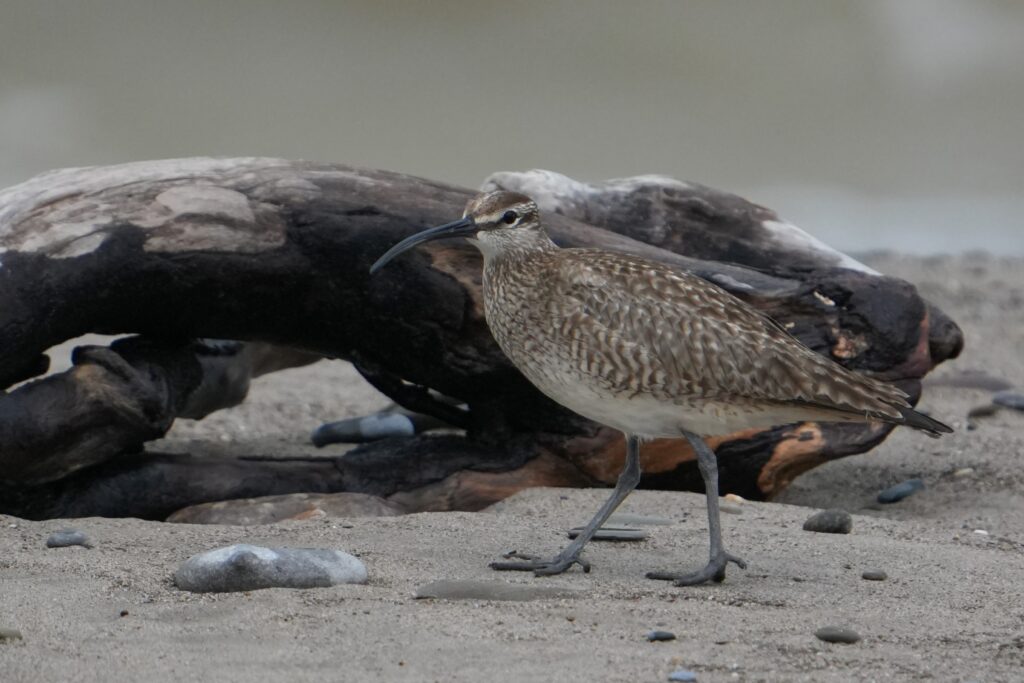
May 21-31: Under the right conditions, certain days still produce large numbers of migrants. Later species, such as Connecticut Warbler and Alder Flycatchers, are at their peak, and thrushes continue to arrive. Most shorebirds are at their peak, with Whimbrel being the highlight of late May. By the end of May, migrant songbird numbers drastically drop, and most are gone by June.
Source: “Timing of Spring Migration.” Black Swamp Bird Observatory