Birding Locations
Explore the best birding locations featured during the Headlands Birding Festival
Explore the best birding locations featured during the Headlands Birding Festival — from serene lakeshore trails and woodlands to marshes and rocky outcrops. Whether you’re a seasoned birder or just beginning, these sites offer opportunities to see warblers, shorebirds, raptors, and more. Each location includes details on trail access, habitat types, seasonal highlights, and tips to make the most of your visit. Plan your route, bring your binoculars, and prepare to discover why the Headlands area is a premier birding destination.
Looking for parking, registration, vendors, or presentation areas?
Headlands Beach State Park and Headlands Dunes State Nature Preserve
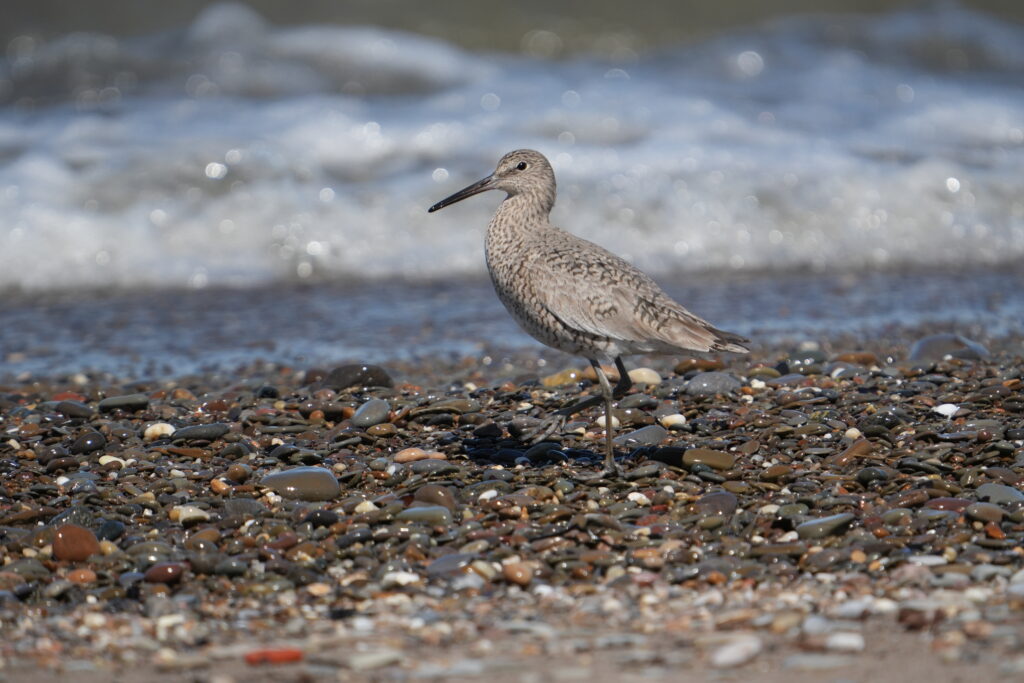
Known for having the largest bird list in Ohio (317 species), Headlands Beach State Park includes a large public beach connected to Headlands Dunes State Nature Preserve. During migration, the beach can be very productive for shorebirds. The location’s life list includes 24 species of shorebirds.
Headlands Dunes State Nature Preserve hosts a main trail, a boardwalk, and smaller trails through brush and woodland. The woodland is extremely productive during migration and can not only host all regular species of warblers, cuckoos, thrushes, and sparrows in a single day, but also the highest density of migrants in Lake County. The main trail is also productive for lake watches along the breakwall, and especially morning flight counts, when birds fly off the lake and land in the brush along the trail before heading to the woods.
Mentor Marsh State Nature Preserve
Wake Robin Boardwalk
Zimmerman Trail
Shipman Pond
Mentor Marsh State Nature Preserve is known for its wetland and forest habitats. The marsh has recorded over 260 bird species, including many rarities such as ibis, Wood Storks, Nelson’s and LeConte’s Sparrows, Black-bellied Whistling Ducks, and Yellow Rails.
Key birding areas include the Wake Robin Boardwalk Trail, where bitterns, rails, and Sedge Wrens can be found, as well as regular LeConte’s and Nelson’s Sparrows; the Zimmerman Trail, which can attract large numbers of migrants; and Shipman Pond at the east end near Headlands Beach State Park, which is known for excellent shorebirds, including phalaropes. Additionally, the preserve includes a nature center with exhibits and guided programs.
Mentor Lagoons Marina and Nature Preserve
Mentor Lagoons Nature Preserve hosts over three miles of trails that wind through woodland and the border of Mentor Marsh, hosting rarities such as Limpkin, Tropical Kingbird, Olive-sided Flycatcher, and Townsend’s Warbler.
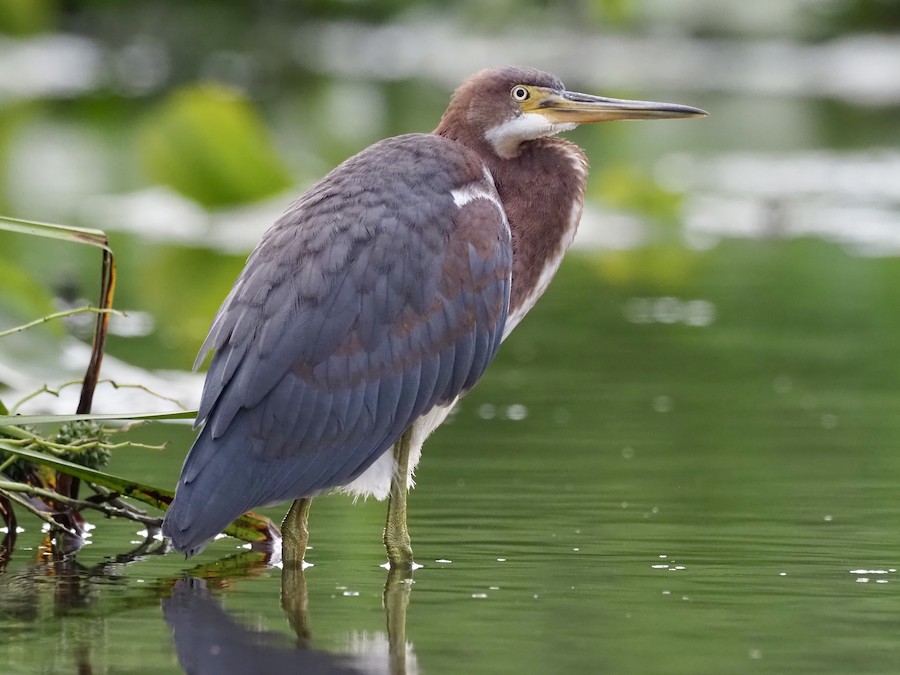
Connected to the preserve is a marina featuring boating, kayaking, canoeing, and fishing. A series of channels allows for kayak and canoe access into Mentor Marsh and around the marina. The marsh has hosted rarities such as Tricolored Heron, Snowy Egret, Buff-breasted Sandpiper, and regular Nelson’s and LeConte’s Sparrows. Additionally, a banding station is active during migration, which provides banding demonstrations.
Lake Erie Bluffs
Shelter
Observation Tower
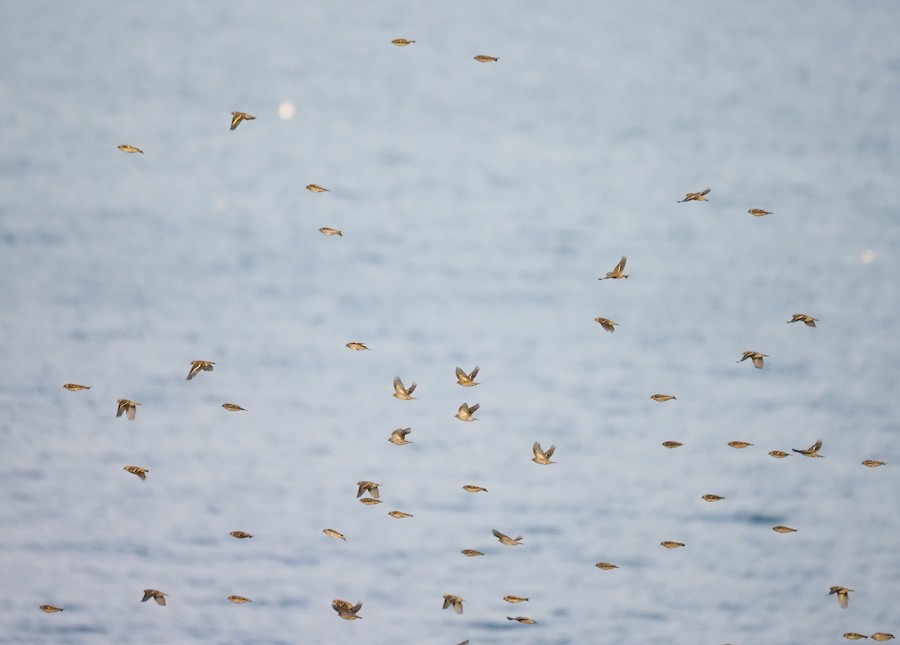
Lake Erie Bluffs offers bluffs, meadows, and forest habitats along the Lake Erie shoreline, which attract a wide variety of species throughout the year. Some rarities include jaegers, Bohemian Waxwing, Cave Swallow, and Sabine’s Gull. During migration, the observation tower provides views for scanning migrating songbirds, raptors, and waterfowl. The tower can host thousands of migrating birds in a single day.
There are too many to name, but notable counts include 90 Evening Grosbeaks, 557 Broad-winged Hawks, 650 Redpolls, and the Ohio high count record of 5580 Pine Siskins.
Chagrin River Park
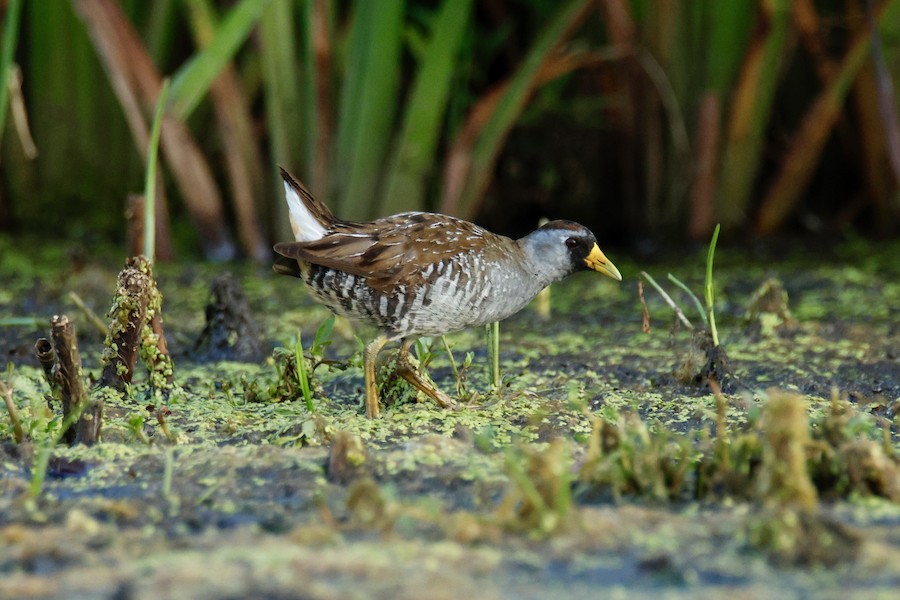
Chagrin River Park is a rewarding birding spot nestled along the Chagrin River. The park’s habitats of river, grassland, and mature forest make it a fantastic stopover area for birds all year, but especially during migration. On a good day, birders may find up to 30 species of warblers and nearly every common flycatcher, sparrow, and thrush. During spring and summer, both Orchard and Baltimore Orioles nest in large numbers, along with Bobolinks and Eastern Meadowlarks in the grasslands. A small trail connects to a wetland in the grassland, which hosts nesting Sora and Virginia Rail.
Veterans Park
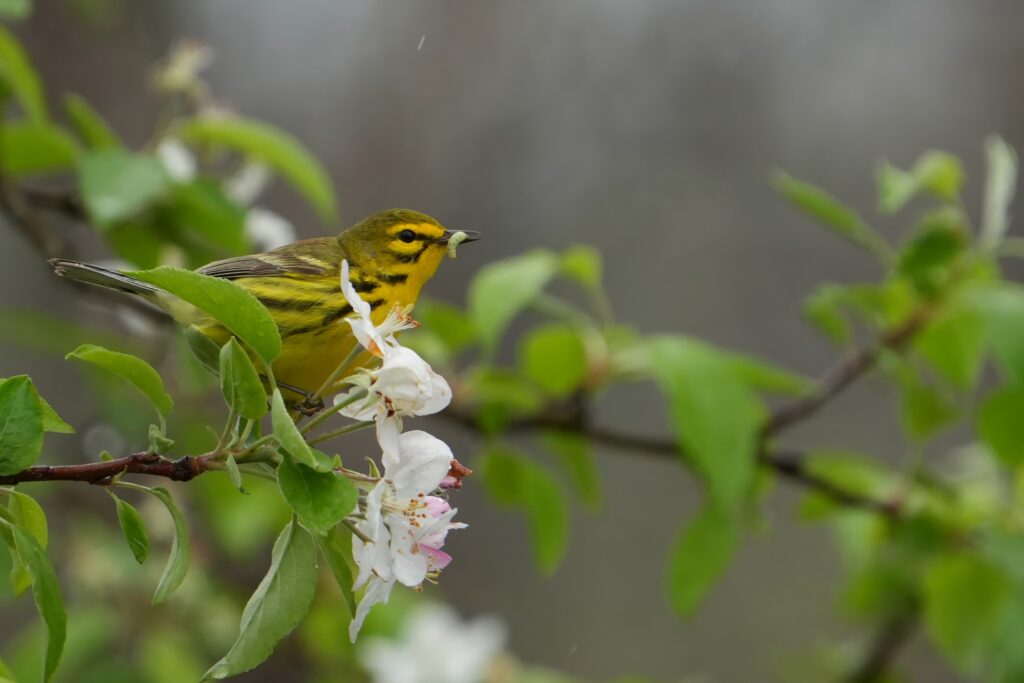
Despite its small size compared to other hotspots, Veterans Park acts as a migrant trap during spring and fall migrations. The park features a large pond, which attracts a variety of waterfowl during migration, surrounded by woodlands. The woods can host large numbers of migrant songbirds, including warblers, vireos, and kinglets. The park is a reliable place to find Prairie and Yellow-throated Warblers during spring.
Due to its location just inland from the lake, migrants will work their way inland after stopping at lakefront habitats, and many end up at Veterans Park by late morning.
Painesville Township Park
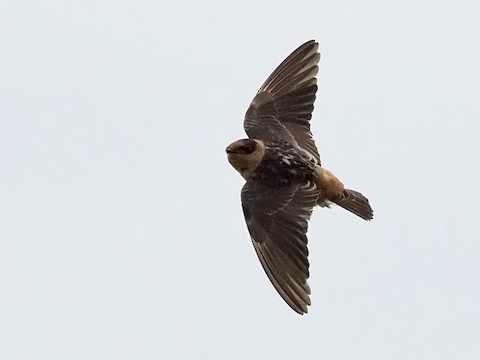
A relatively new park, it has already hosted rarities such as Scissor-tailed Flycatcher, Swallow-tailed Kite, and King Eider. Throughout spring and fall migrations, flocks of songbirds and waterfowl pass through, with the possibility of encountering species like crossbills, Cave Swallows, jaegers, Sabine’s Gulls, Glaucous Gulls, scoters, Red-throated Loons, Long-tailed Ducks, Tundra Swans, and Snow Geese, to name a few.
In addition to migrating birds, the adjacent 535 property (a retired landfill) occasionally hosts Dickcissels and Grasshopper Sparrows in the summer/fall, and regular Snowy Owls in winter.
The Holden Arboretum
The Holden Arboretum includes thousands of acres of mature forests, valleys, and gardens. The arboretum’s extensive trail system and variety of habitats attract a mix of species year‑round. With scenic spots like Corning Lake, Piersons Creek, and the wildflower gardens, visitors can enjoy both woodland and edge birding while enjoying the gardens and natural areas.
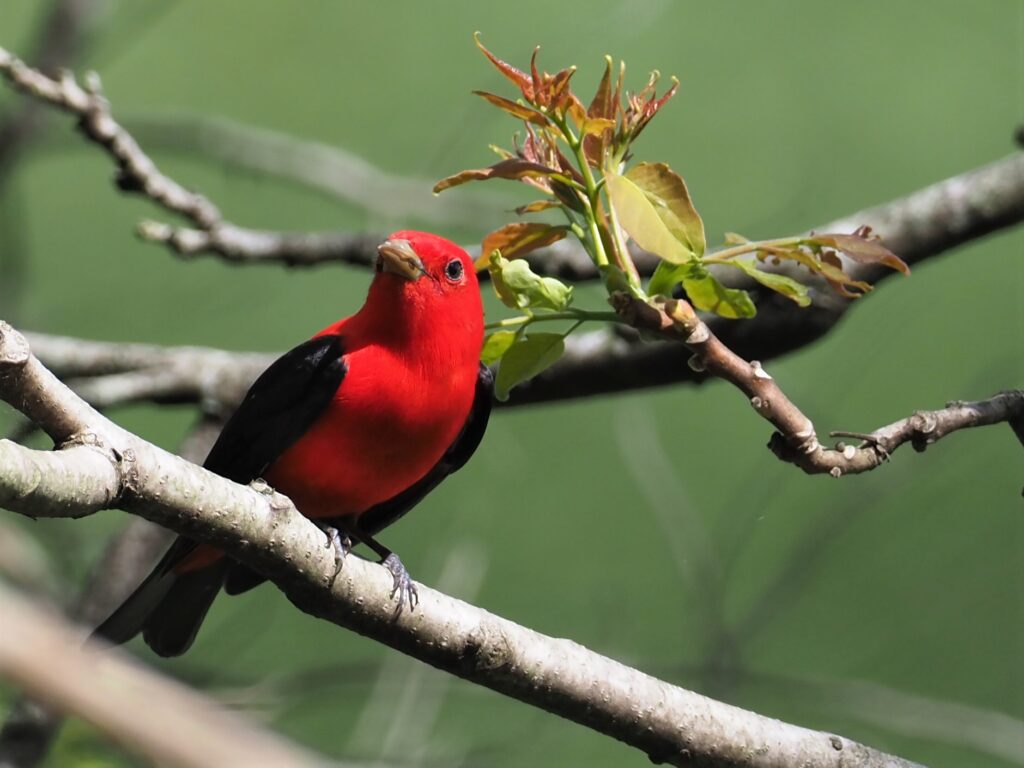
The arboretum is known for hosting uncommon breeding birds, such as Louisiana Waterthrush, Blue-headed and Yellow-throated Vireos, Orchard Orioles, Barred Owls, and large numbers of Hooded Warblers and Scarlet Tanagers. During winter, the Holly and Winterberry Collection is a good place to check for Bohemian Waxwings and Pine Grosbeaks.
Beyond the Festival
These locations aren’t part of the official festival field trips or programs, but they are excellent nearby birding hotspots worth exploring on your own.
Fairport Nursery Road (State Route 535)
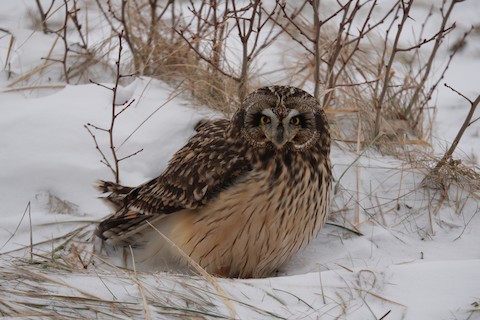
Fairport Nursery Road, just west of Fairport Harbor, crosses a retired chemical landfill. While the landfill cannot be accessed, the best vantage point is at a parking lot and a small building on a hill. The expansive fields provide ideal nesting habitat for Bobolinks, Meadowlarks, Dickcissels, Grasshopper Sparrows, American Kestrels, and other grassland birds. During winter, Snowy and Short-eared Owls can be found, along with Rough-legged Hawks, flocks of Snow Buntings, Longspurs, and larks.
Rarities are many but include Western Cattle-Egret, Loggerhead Shrike, Chestnut-collared Longspur, and regular Upland Sandpipers.