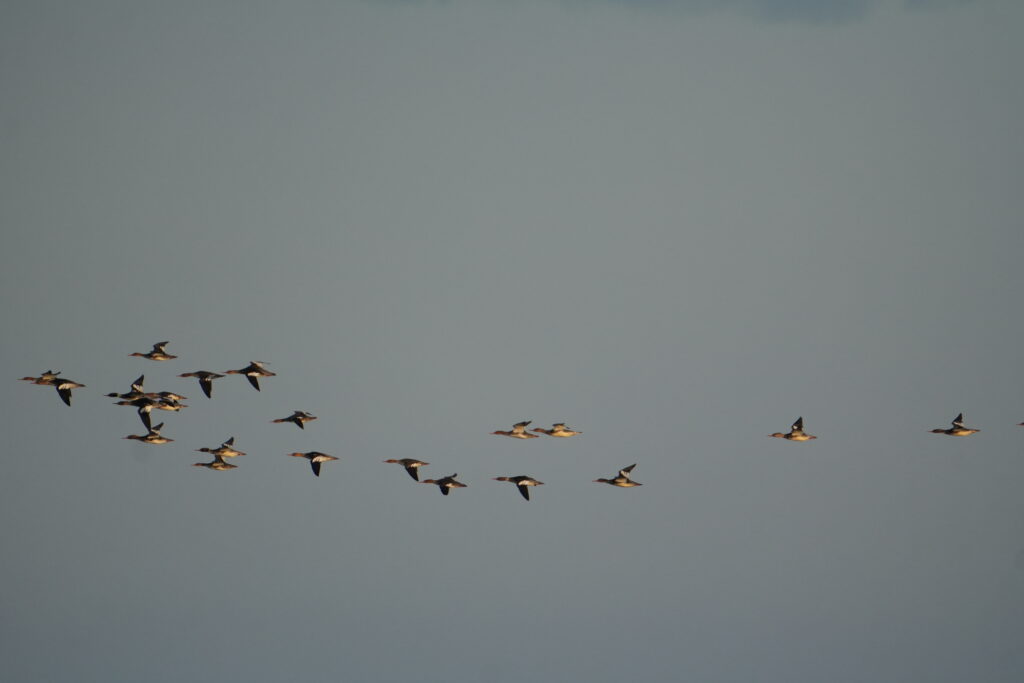
Migration Information
Discover how bird migration shapes the Headlands Birding Festival as birds pass through the region Learn what drives migration, when peak movements occur, and tips for experiencing migration. From songbirds moving along the lakeshore to raptors riding autumn thermals, this guide helps you understand the patterns behind the spectacle and make the most of your time in the field.
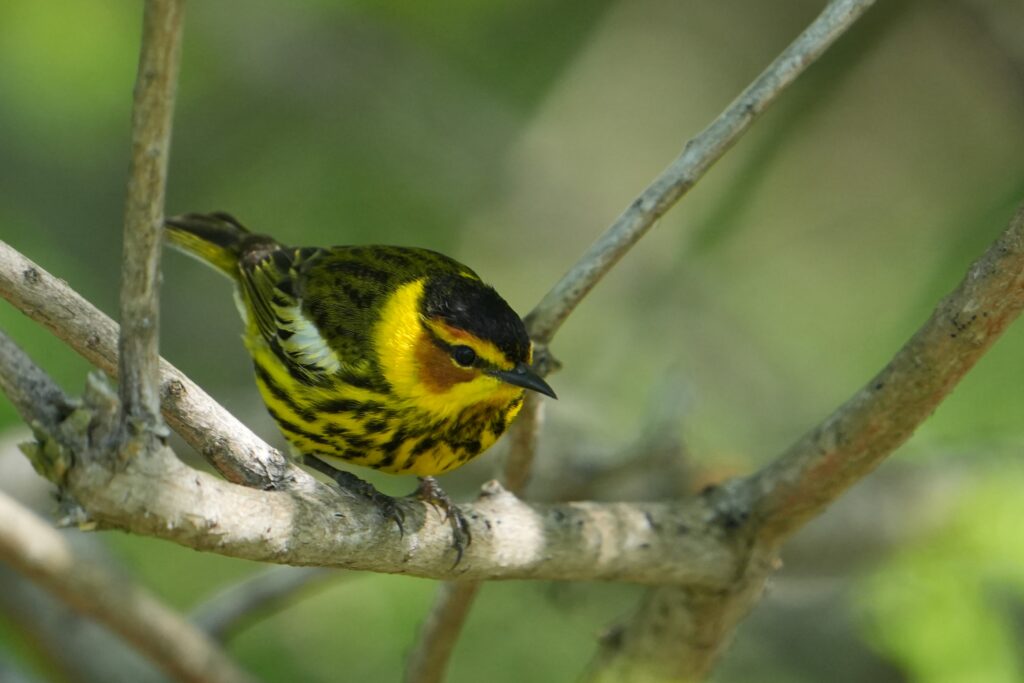
Spring Migration
Each spring, migratory birds stop over throughout Lake County. Discover what species to watch for, when to look for certain species, and the best local hotspots during spring migration.
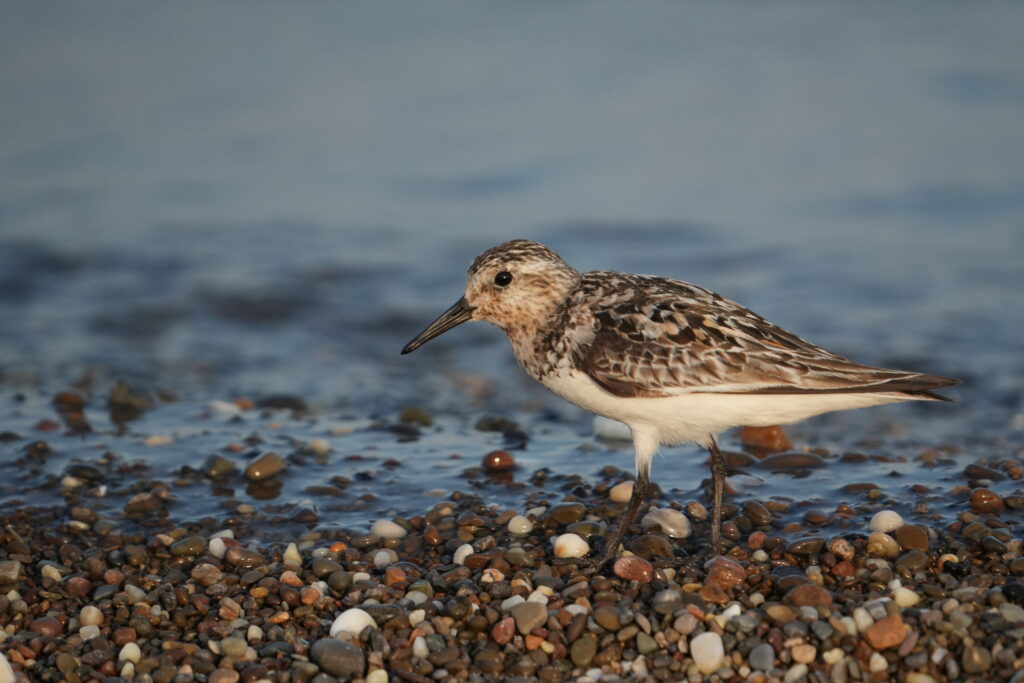
Shorebird Migration
From peeps to plovers, shorebirds gather along beaches and mudflats to rest and refuel—offering some of the region’s most exciting and unpredictable birding opportunities.
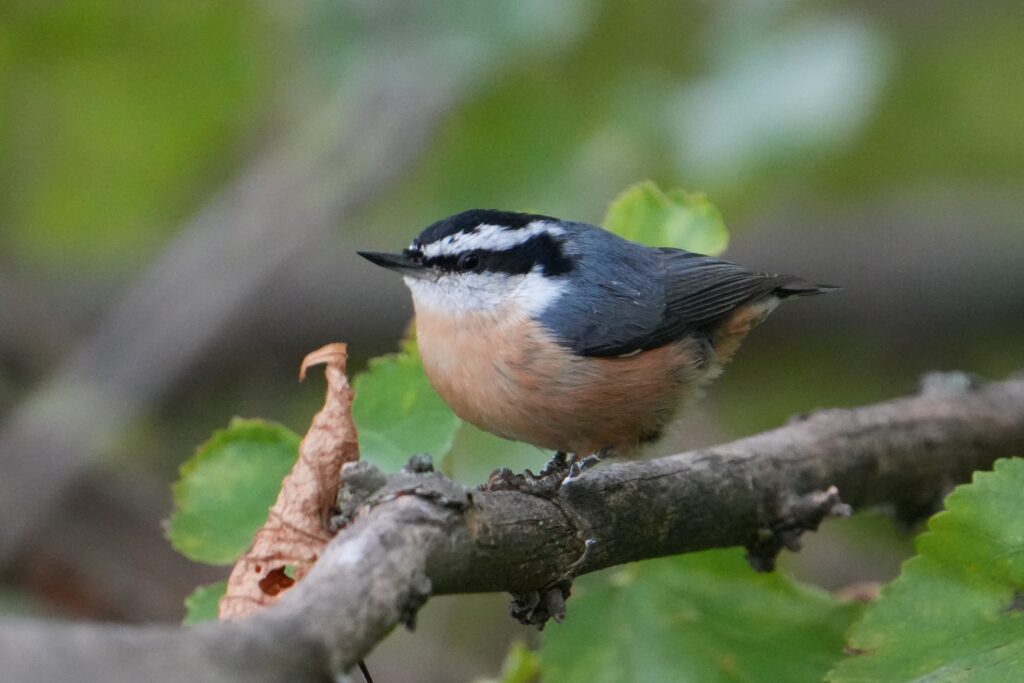
Fall Migration
Lake County is a key stopover for southbound migrants. From confusing fall warblers to colorful ducks, find out species to search for, local hotspots, and when different birds can be found.
How to Experience Migration
Overview
To best experience migration in Lake County, plan your outings around favorable conditions: south winds in spring and north winds in fall. Additionally, migration tools like BirdCast provide information on migration intensity. Birds migrate overnight and engage in morning flight just after sunrise as they search for suitable habitat. As birds find habitat, they begin to move through lakeside habitat, and later move inland.
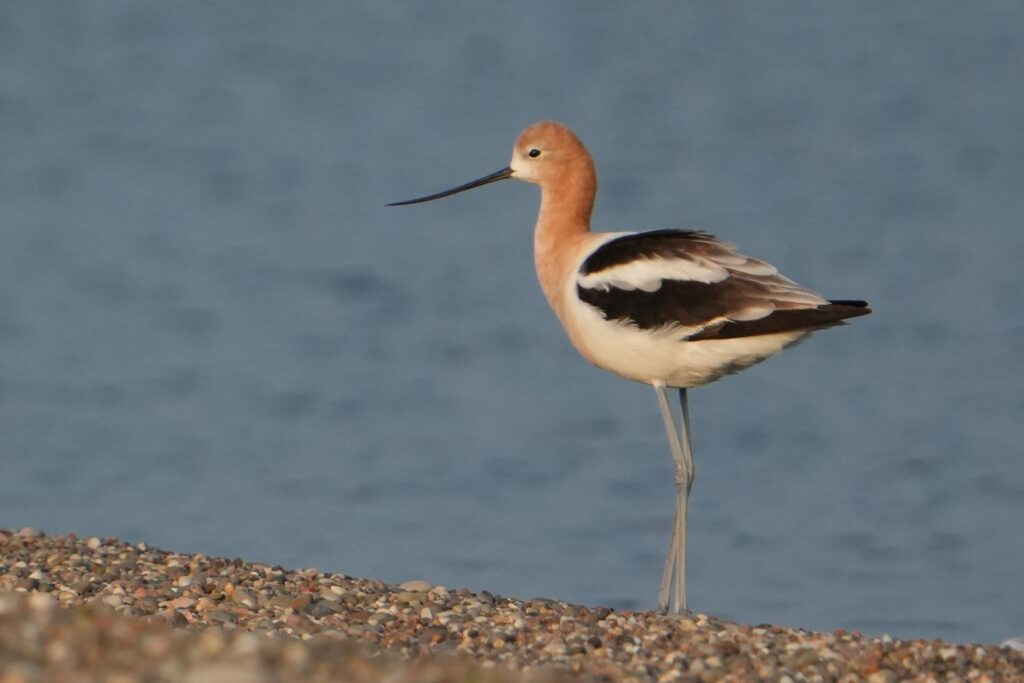
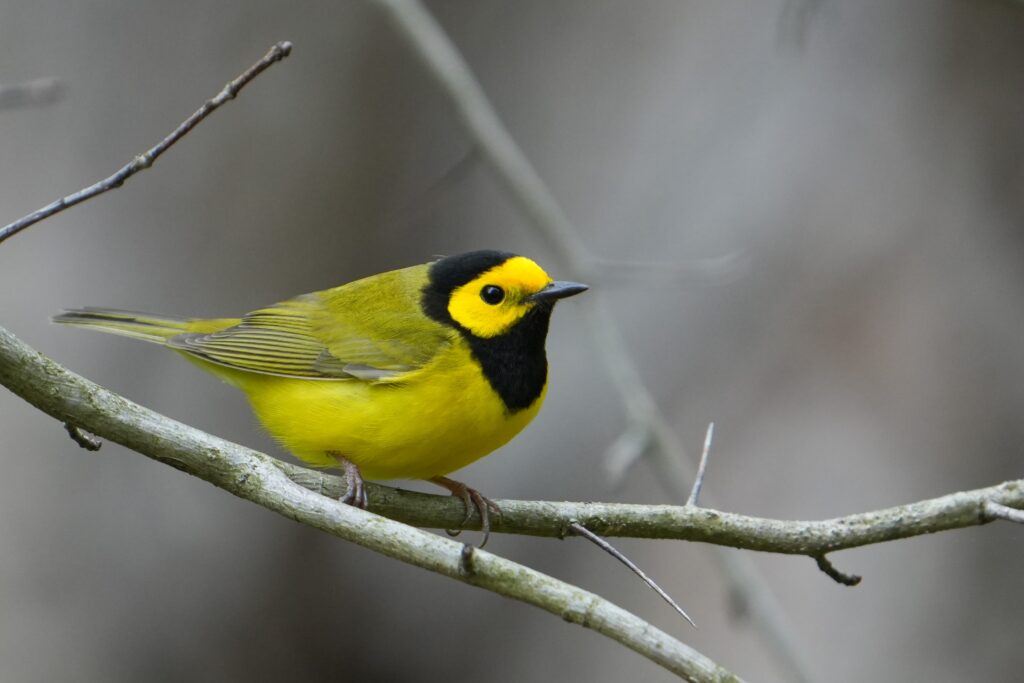
How To: Songbird Migration
For the best experience, get outside early in the morning when birds are most active. Focus on habitat like wooded parks, lakeshores, and areas with lots of insects and native trees, where migrants rest and refuel. Move slowly, listen carefully for chip notes and songs, and check mid to high-level branches where warblers often forage, and ground level brush for thrushes and sparrows.
How To: Shorebird Migration
Visit open habitats like mudflats and beaches, where birds gather to rest and feed in large flocks. Scan habitat with binoculars or a scope and revisit sites often since flocks can change daily, or even more often. When shorebirding on a beach, leave room for the shorebirds to forage and watch for flyover flocks in early morning after favorable conditions.
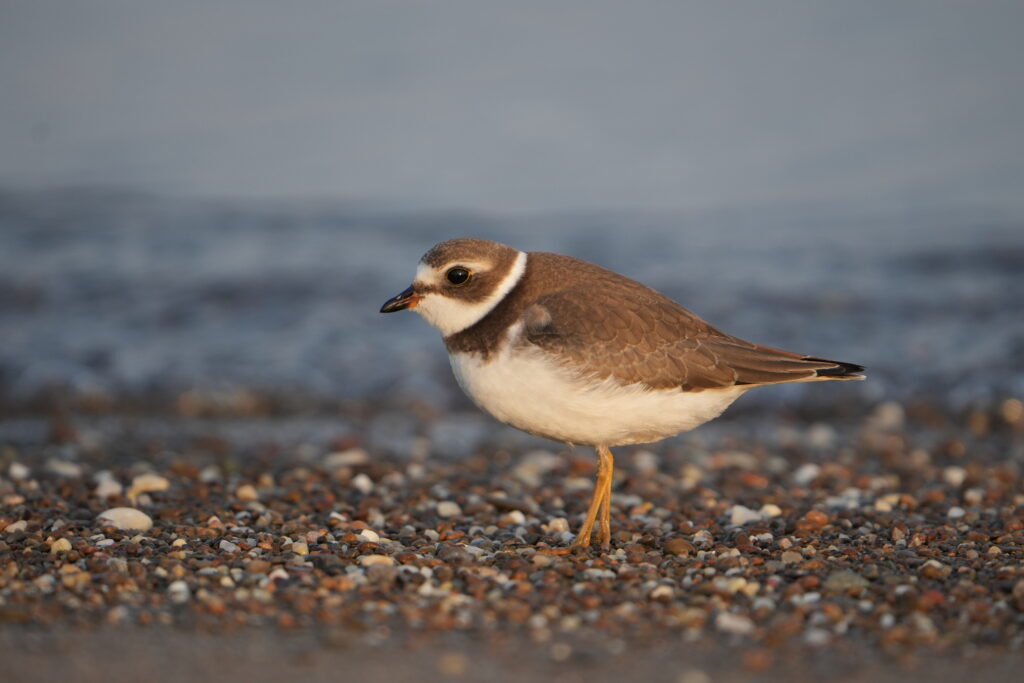
How To: Morning Flight Watch
Morning flight watches are best at dawn, when migrants are actively moving after traveling overnight. Position yourself along ridgelines, lakeshores, or open areas and watch and listen for steady movement overhead or low flights off Lake Erie. Listen for flight calls, follow movement, and photograph birds when possible. Morning flight watches are difficult and take practice, so don’t expect to know every flight call or how to identify every bird you see.
How To: Lakewatch
Lakewatches focus on scanning large bodies of water for birds moving along the shoreline, particularly during strong winds. Set up at areas with an open view of the water such as breakwalls and lakeside parks where birds are pushed close to shore by strong winds. Scopes are most helpful, as many flocks will be far out. West and northwest winds bring ducks and gulls, while south winds bring geese. Be prepared for intense cold and wind.