Shorebird Migration
Shorebirds head south in waves, starting early in summer
Shorebird migration timing differs from most passerines. In spring, birds return north to their breeding grounds as normal, but after their young hatch, many adult males leave their mate and young and migrate south as early as July. In August and September, females and hatch-year birds make their way south in the second wave of shorebird migration.
July
July 1 – 15: Early shorebirds begin to arrive, with Short-billed Dowitchers often arriving first, followed by Least and Semipalmated Sandpipers. Shorebird diversity increases significantly closer to mid-July, with most shorebird species possible. Less common birds, such as American Avocets, Stilt Sandpipers, and Piping Plovers, can be found.
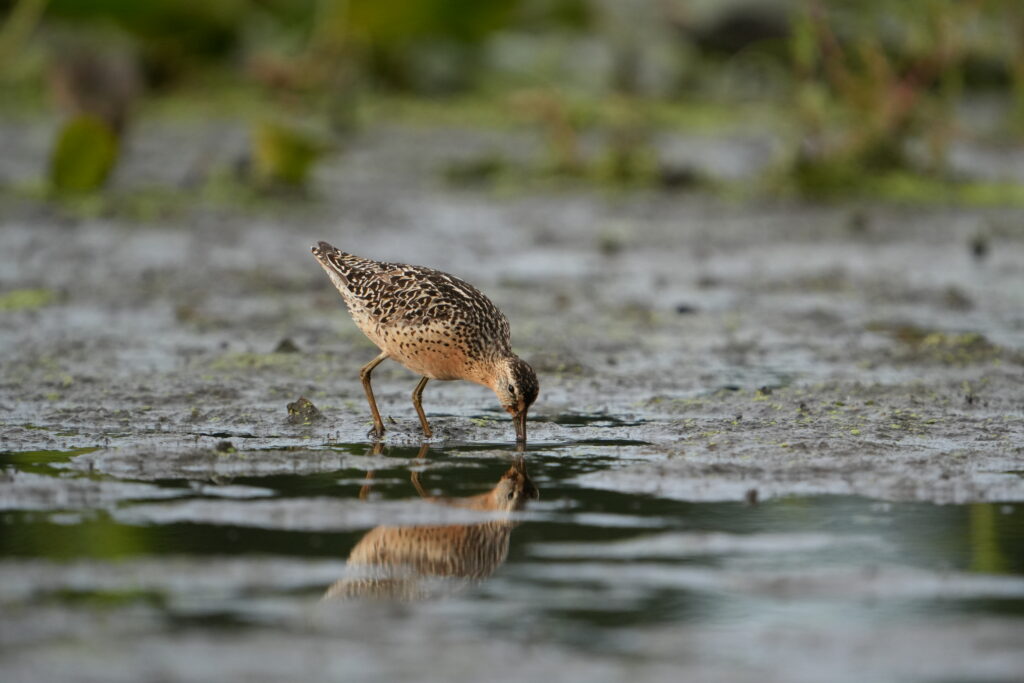
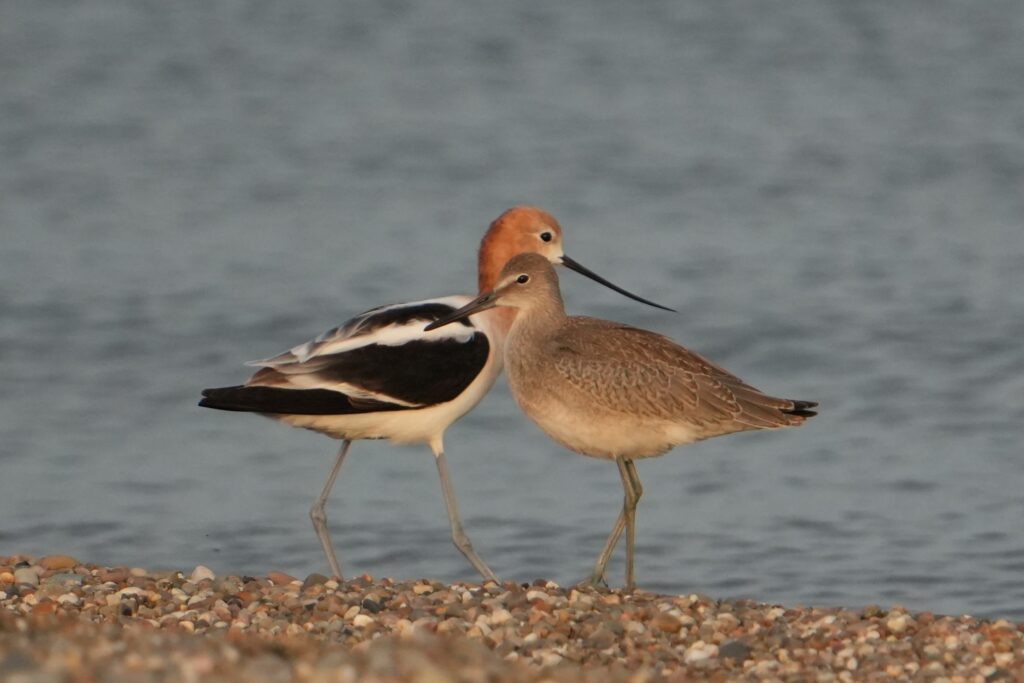
July 16 – 30: The first wave of shorebird migration is in its peak, with every regular species possible in the right location. Baird’s Sandpipers begin to arrive later in the month. Yellowlegs, Least and Semipalmated Sandpipers, Semipalmated Plovers, Sanderlings, and dowitchers are all abundant. Mid- to late July is the best chance for American Avocets and Willets. Less common shorebirds like Stilt Sandpiper and Piping Plover are more likely to be found during this time.
August
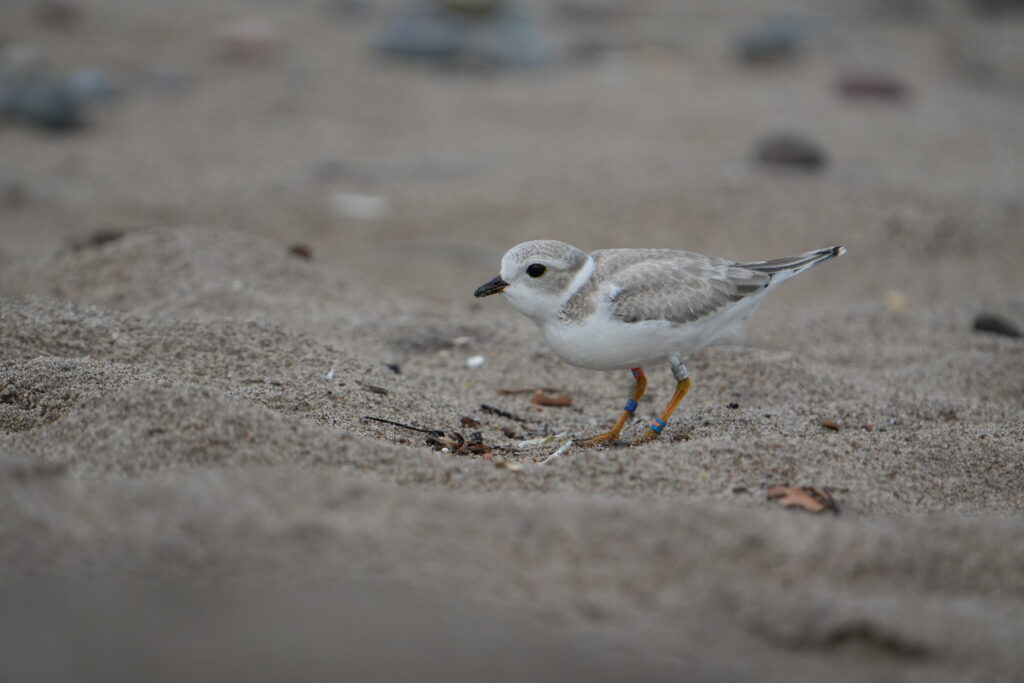
August 1 – 15: Shorebird migration peaks as the second wave of females and hatch-year birds migrates. Most shorebirds reach their peak numbers during early August. Rarer shorebirds such as American Avocet, Willet, Piping Plover, and Hudsonian and Marbled Godwits are all possible, mainly at Headlands Beach State Park. Mid- August is the best time to look for Wilson’s Phalaropes.

August
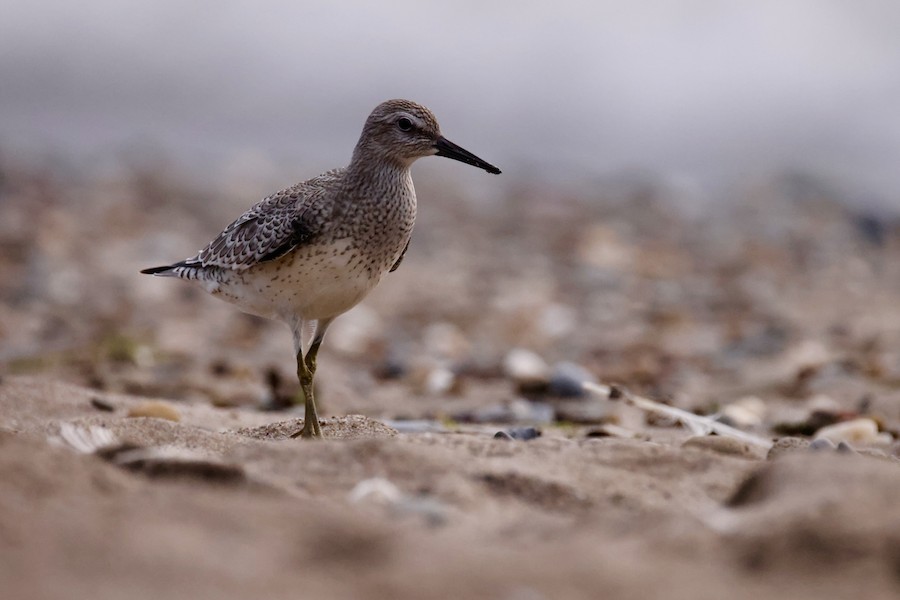
August 16 – 31: Shorebird migration continues in force, but earlier species slow down by the end of August. Ruddy Turnstones become more common in late August. This is the best time to look for Red-necked Phalaropes and Red Knots. American Golden-Plovers begin to show up, peaking in September.
September
Many common shorebird species that peaked in August begin to decline in numbers, although many linger in smaller groups before mostly disappearing by October. Flocks of Sanderlings and the occasional Ruddy Turnstone stay strong throughout most of September, and American Golden and Black-bellied Plovers peak during this time. Rarities such as godwits are still possible but less likely, while Red Knots and Red-necked Phalaropes are more likely in September.